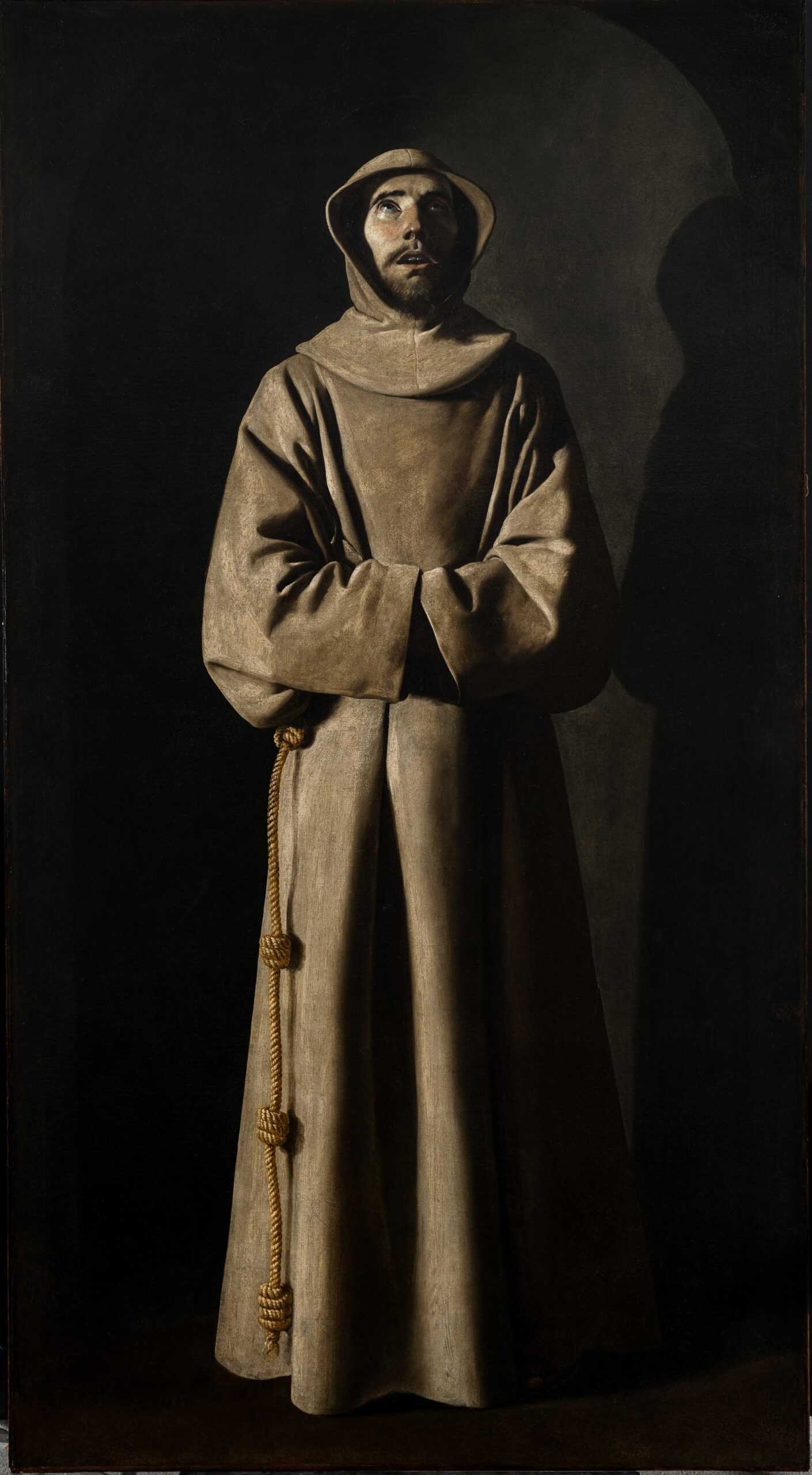
The Musée des Beaux-Arts de Lyon opens its doors to an extraordinary showcase of Francisco de Zurbarán’s most celebrated works, inviting art lovers to experience the intensity of Spanish Baroque painting up close. The “Zurbarán” exhibition, which will run through March 2025, offers an unprecedented view of the artist’s chiaroscuro technique and moralistic themes, rare in the region’s public collections.
Why Zurbarán Matters in Contemporary Curating
Francisco de Zurbarán (1598‑1664), often compared to Caravaggio and Velázquez, is renowned for his austere, candlelit portraits of saints and still lifes that convey a profound spiritual presence. By situating his works side by side with contemporaries from Madrid and Seville, the curators at Lyon aim to highlight the subtle differences in lighting, composition, and iconography that defined the Spanish Golden Age.
Curatorial Highlights
- Iconic “St. Francis of Assisi” – The centerpiece of the exhibition, this painting showcases Zurbarán’s mastery of dramatic contrast and the serene devotion that permeated his religious subjects.
- “The Young Shepherd” – A pastoral scene that departs from the saintly themes, illustrating the artist’s versatility in portraiture and genre.
- Still Life Series – A collection of oil canvases depicting fruit, flowers, and objects, demonstrating Zurbarán’s keen observation of natural detail and the symbolic use of color.
Interactive Elements for Visitors
In addition to the visual display, the museum has incorporated immersive technologies. Digital touchscreens allow guests to zoom into brushwork, while augmented‑reality overlays provide context on the socio‑religious backdrop of each piece. These interactive tools aim to deepen appreciation for the painter’s methodical approach and the era’s theological climate.
Educational Programs
Students of art history and fine arts can benefit from a series of workshops led by scholars from the University of Lyon. Sessions cover:
- Analyzing chiaroscuro in Spanish Baroque painting.
- Comparative studies between Zurbarán and his contemporaries.
- Hands‑on techniques for rendering light and texture in oil.
These programs provide a practical framework for understanding how visual cues convey narrative and spirituality, a skill that extends beyond the gallery into modern artistic practice.
Implications for the Cultural Landscape
The exhibition underscores Lyon’s commitment to diversifying its cultural offerings. By showcasing a Spanish master, the museum bridges geographic and stylistic gaps, offering visitors a chance to see how Baroque aesthetics influenced European art beyond Italy. This cross‑cultural dialogue can inspire future collaborations between French and Spanish institutions, fostering deeper academic and artistic exchanges.
Visitor Experience and Accessibility
With multilingual guides, tactile replicas for visually impaired guests, and extended opening hours, the museum has ensured that a wide audience can engage with Zurbarán’s work. The integration of audio descriptions and an accompanying catalogue, available in print and digital formats, further enhances accessibility and educational value.

Conclusion
The “Zurbarán” exhibition at Lyon’s Musée des Beaux-Arts provides a vivid illustration of how a single artist can encapsulate a national style while engaging global audiences. For anyone curious about the techniques that shaped Baroque painting—or looking for inspiration in lighting and narrative—the event offers a tangible, immersive experience that blends historical insight with modern accessibility.
De Londres A Chicago: Zurbarán, De Viaje Por El Mundo

De Londres a Chicago: Zurbarán, de viaje por el mundo
El MNAC Reúne Los ‘San Francisco’ De Zurbarán, Que El Pintor Creó A

El MNAC reúne los ‘San Francisco’ de Zurbarán, que el pintor creó a ...
Patrimonio Andaluz: Francisco De Zurbarán
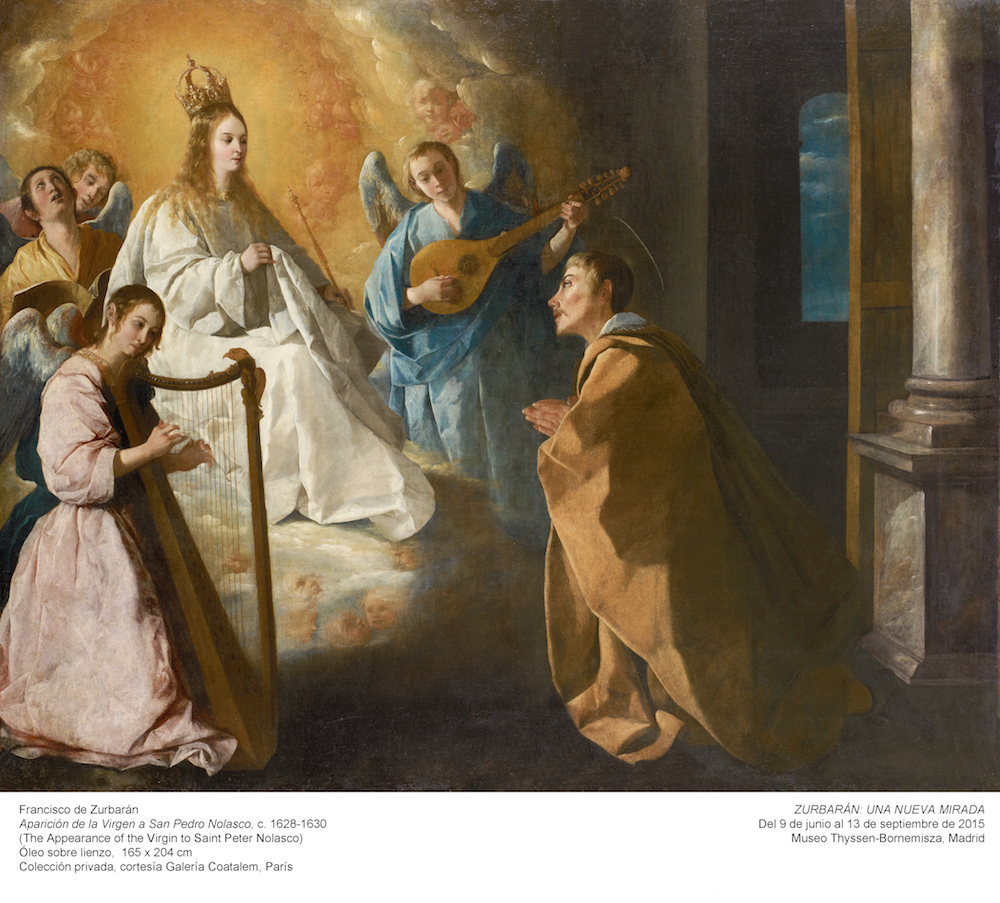
Patrimonio Andaluz: Francisco de Zurbarán