When you step into the quiet lanes of Delhi’s historic walled city, the first sight that greets you is the soaring dome of Humayun’s Tomb—a masterpiece of 16th‑century Mughal design that continues to inspire architects and travelers alike. Though its story is rooted in Persian gardens and Islamic symbolism, the site has become a living classroom for anyone curious about how a single monument can reflect a nation’s cultural evolution.
Historical Context: From Emperor to Icon
The tomb was commissioned by Akbar’s grandson, Emperor Humayun, who died in 1556. Built by his devoted wife, Empress Kamran, between 1565 and 1572, it was the first garden mausoleum to be constructed on a formal axis in India. The design was a bold adaptation of the Persian Charbagh layout, symbolizing the four gardens of paradise, and set a precedent for the Taj Mahal and countless other monuments.
Architectural Highlights: A Fusion of Form and Meaning
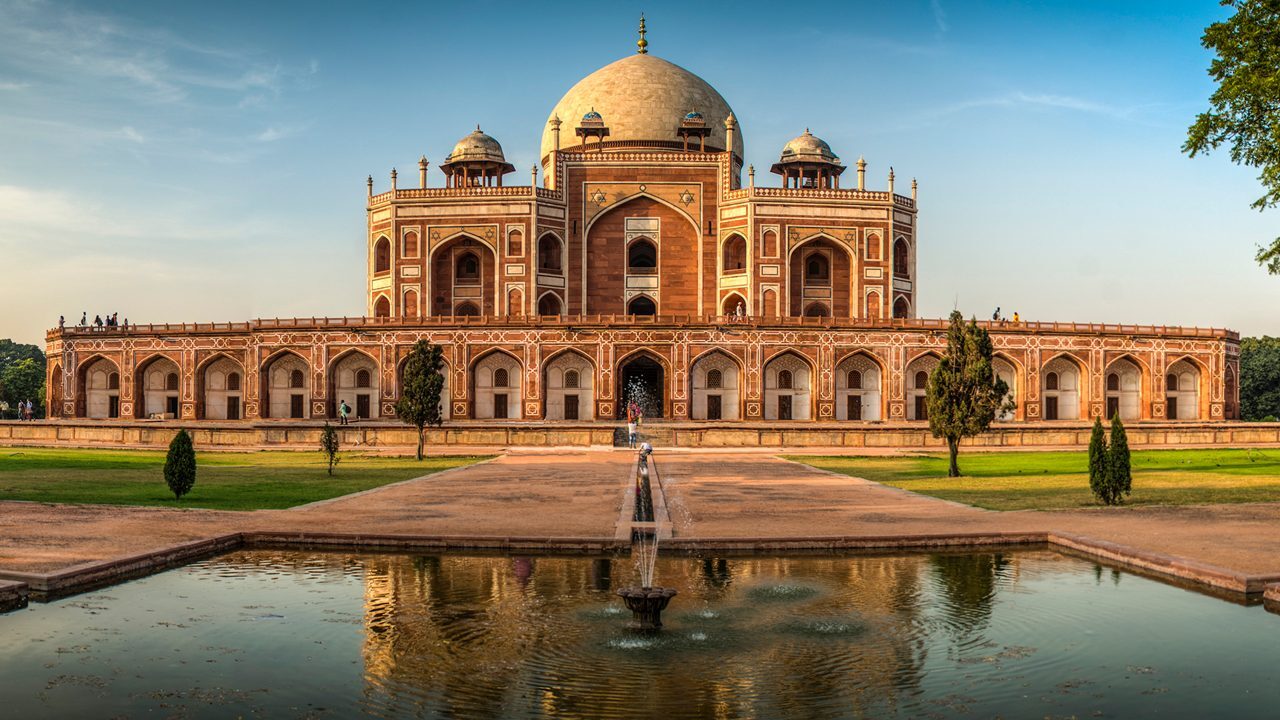
- Symmetrical Axis: The central axis aligns the tomb, garden, and the surrounding water channels, creating a visual narrative that guides visitors from the earthly to the divine.
- Dome Innovation: The double‑layered dome, a precursor to later Mughal domes, balances elegance with engineering resilience, using a lighter, more airy structure than earlier Islamic mausoleums.
- Stone Carvings: Intricate jali screens and pietre dura inlay work showcase a meticulous blend of Persian and local artisanship.
The surrounding garden is not merely ornamental; it functions as a living meditation space. The fountain at the center, visible in the gallery below, serves both aesthetic and climatic purposes, cooling the air and adding an auditory element to the experience.

Preservation Efforts: Keeping the Legacy Alive
In the late 19th and early 20th centuries, the British colonial administration undertook extensive restoration under the guidance of Sir Mortimer Wheeler. Today, the Archaeological Survey of India maintains the complex, ensuring that the original Persian and Mughal elements remain intact while introducing modern conservation techniques. The garden’s water channels have been meticulously restored to preserve the original Charbagh aesthetic, a testament to the site’s ongoing relevance.
Visitor Experience: A Journey Through Time and Space
Arriving early in the morning provides a serene atmosphere, with the light casting long shadows across the marble pathways. The museum inside offers a curated narrative that connects the tomb’s design to Humayun’s personal struggles and the broader political shifts of the era. For those who prefer a guided experience, local historians can illuminate subtle architectural cues—such as the positioning of the mausoleum relative to the sunrise—that reveal deeper symbolic meanings.
Why It Matters Today: A Cultural Touchstone
Beyond its architectural beauty, Humayun’s Tomb embodies a narrative of resilience. It stands as a reminder that cultural heritage can survive political upheavals, evolving with each generation that passes through its gates. For trend‑aware travelers seeking authentic stories, the monument offers an engaging blend of history, art, and natural beauty—making it a must‑visit that transcends ordinary tourist expectations.
Planning Your Visit: Tips for the Curious Explorer
- Timing: Open daily from 8 am to 5 pm; the garden is especially tranquil early in the morning.
- Tickets: A single entry fee covers the main tomb and the surrounding museum. Group rates are available for school trips and tour groups.
- Accessibility: The site is partially wheelchair accessible; however, many steps remain for those interested in exploring every corner.
- Best Companion: A local guide can enrich your visit with stories of the Mughal court and the intricate symbolism embedded in the design.
Whether you’re an architecture student, a history buff, or a curious traveler, Humayun’s Tomb offers a window into the creative spirit that shaped the Indian subcontinent. The garden’s timeless allure continues to draw visitors from around the world, inviting them to pause, reflect, and appreciate a masterpiece that has withstood the test of time.
Visit The Humayun's Tomb In Delhi | Incredible India

Visit the Humayun's Tomb in Delhi | Incredible India
Tomb Inside Lodhi Garden Located In Delhi India, Lodhi Garden Inside

Tomb Inside Lodhi Garden Located in Delhi India, Lodhi Garden Inside ...
Humayun Tomb Gardens Hi-res Stock Photography And Images - Alamy
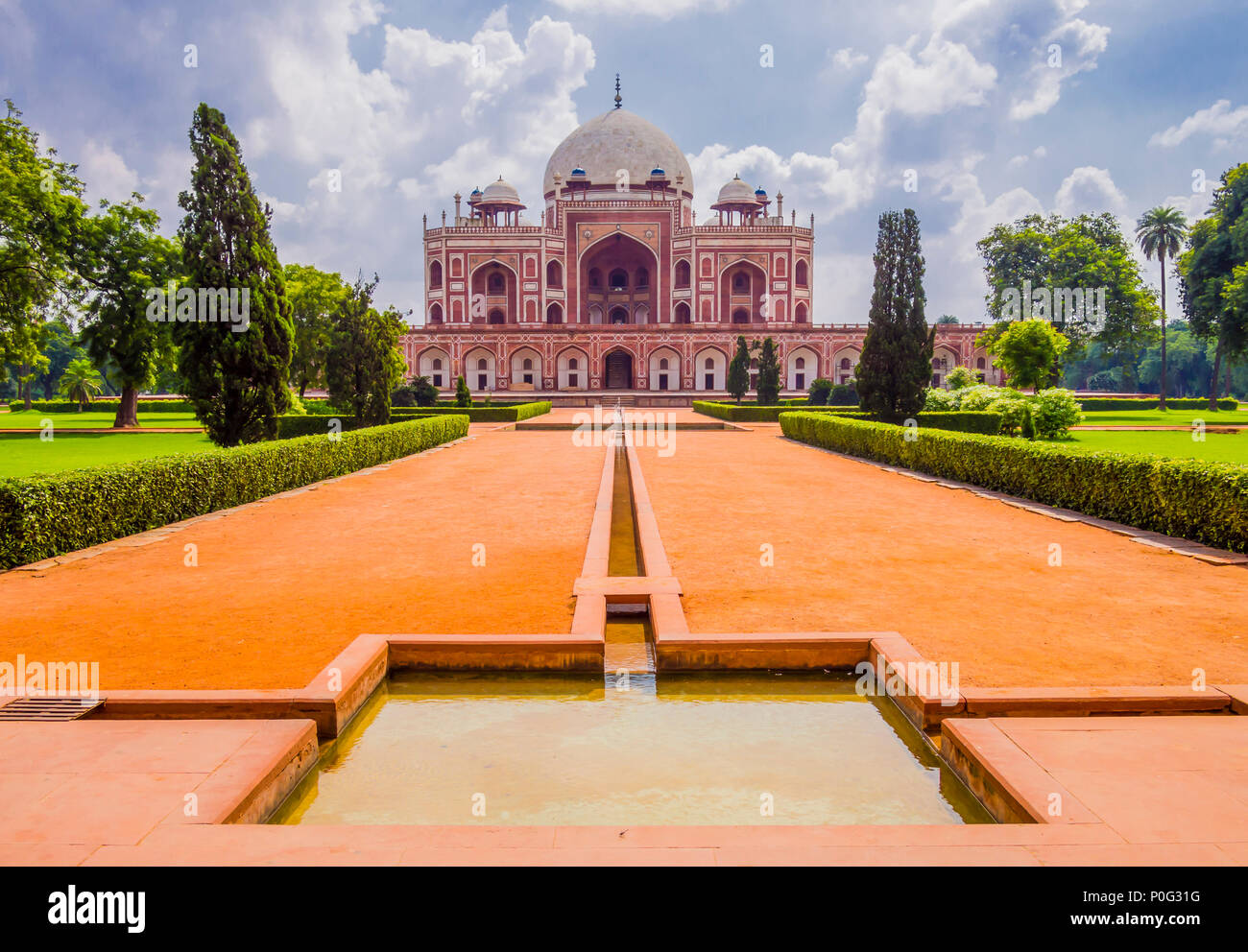
Humayun tomb gardens hi-res stock photography and images - Alamy