Murano glass, the centuries‑old Venetian craft celebrated for its vibrant colors and intricate designs, is experiencing a quiet resurgence as 2026 approaches. Artisans are blending time‑tested techniques with modern aesthetics, while collectors and interior designers are taking note of new pricing patterns and sustainability initiatives that could reshape the market.
What defines authentic Murano glass?
Authenticity hinges on three criteria: production on the islands of Murano, adherence to the historic “glassblowing” method, and a certified label from the Consorzio Murano. The process starts with a furnace that reaches 1,600 °C, allowing master glassblowers to pull molten silica into thin strands, embed metallic oxides for color, and shape the piece by hand. The result is a product that cannot be replicated by mass‑production molds.

How are contemporary designers reshaping the tradition?
Recent collections showcase geometric minimalism, matte finishes, and reclaimed glass—departures from the classic floral and baroque motifs. Designers are also experimenting with mixed media, embedding Murano shards into wood or metal frames, creating pieces that appeal to minimalist interiors without sacrificing the glass’s luminous quality.
- Eco‑focused production: Small workshops are sourcing recycled silica, reducing furnace fuel consumption by up to 15%.
- Limited editions: Artists release numbered series of 50–100 pieces, driving scarcity and higher resale values.
- Collaborations: Partnerships with fashion houses bring Murano glass accents to accessories, expanding the audience beyond traditional décor buyers.
What market signals should buyers watch in 2026?
While Murano glass has never been a high‑volume commodity, price stability is shifting. Auction results from the past two years show a modest 8% increase in average hammer prices for certified pieces. Simultaneously, online platforms are providing verified provenance tools, making it easier for first‑time buyers to avoid counterfeits.
- Prioritize pieces with the official Murano mark and a documented workshop signature.
- Consider emerging designers who blend sustainability with classic techniques—these works often appreciate faster.
- Watch for limited‑run collaborations announced at major design fairs; they typically sell out within weeks and later command premium resale prices.
How can artisans stay competitive through 2026?
Artisans who adapt to digital marketing while preserving hands‑on craftsmanship are gaining traction. Live‑streamed studio tours, behind‑the‑scenes reels on social media, and virtual reality showrooms allow global buyers to experience the making process, reinforcing the value of authenticity.
Investing in renewable energy for furnaces not only reduces operating costs but also appeals to environmentally conscious clients. Workshops that document each step—from raw sand to finished product—can leverage these narratives in branding, creating a compelling story that justifies higher price points.
What does the future hold for Murano glass after 2026?
Experts anticipate a gradual shift toward hybrid collections that pair traditional blown glass with 3D‑printed components, opening new design possibilities without compromising the core handcraft. As consumer demand for sustainable luxury grows, Murano’s unique combination of heritage and adaptability positions it to remain a coveted niche in the global décor market.
A Arte Milenar De Produção Do Cristal Murano – MONDO MODA
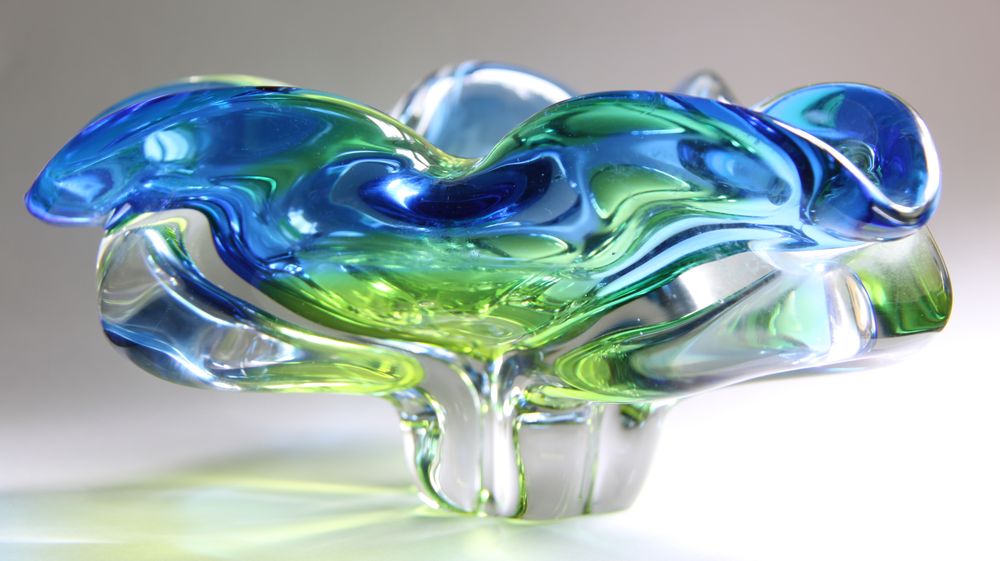
A arte milenar de produção do cristal Murano – MONDO MODA
Vase Cristal De Murano | PROMO - Boutique Saint Germain

Vase Cristal de Murano | PROMO - Boutique Saint Germain
Cristal De Murano: Todo Lo Que Debe Saber Sobre él
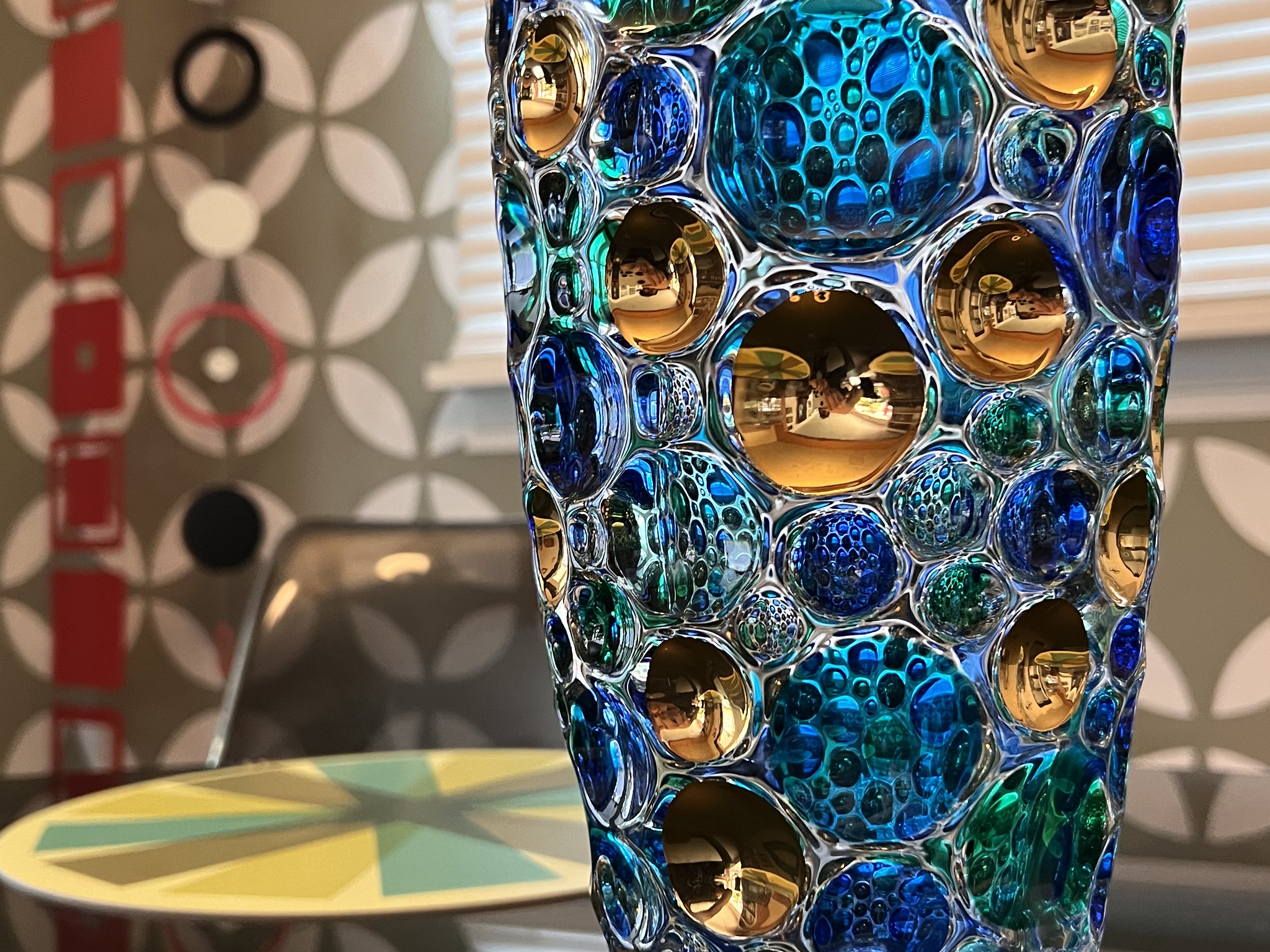
Cristal de Murano: todo lo que debe saber sobre él
Basilika San Giorgio Maggiore, Venedig • Italien!expert

Basilika San Giorgio Maggiore, Venedig • italien!expert