Across the globe, landmarks like Machu Picchu in Peru and the Taj Mahal in India earn the prestigious UNESCO World Heritage designation, safeguarding cultural and natural treasures for future generations. These sites offer a tangible link to humanity’s shared history, inviting scholars, travelers, and casual observers to explore their stories and implications for heritage preservation.
Why UNESCO Designation Matters
UNESCO’s criteria ensure that selected sites possess outstanding universal value—be it architectural brilliance, historical significance, or ecological importance. When a site receives this status, it gains international attention, funding opportunities, and heightened protective measures that help mitigate threats such as urban encroachment, climate change, and looting.
Concrete Benefits for Local Communities
- Tourism revenue that supports local businesses and conservation projects.
- Increased awareness leading to community engagement in preservation.
- Educational programs that bring global best practices to regional contexts.
Spotlight on Iconic Sites
While the UNESCO list is expansive, two landmarks frequently appear on travelers’ itineraries—Machu Picchu and the Taj Mahal. Their iconic imagery encapsulates the essence of what UNESCO aims to protect.
Machu Picchu, Peru
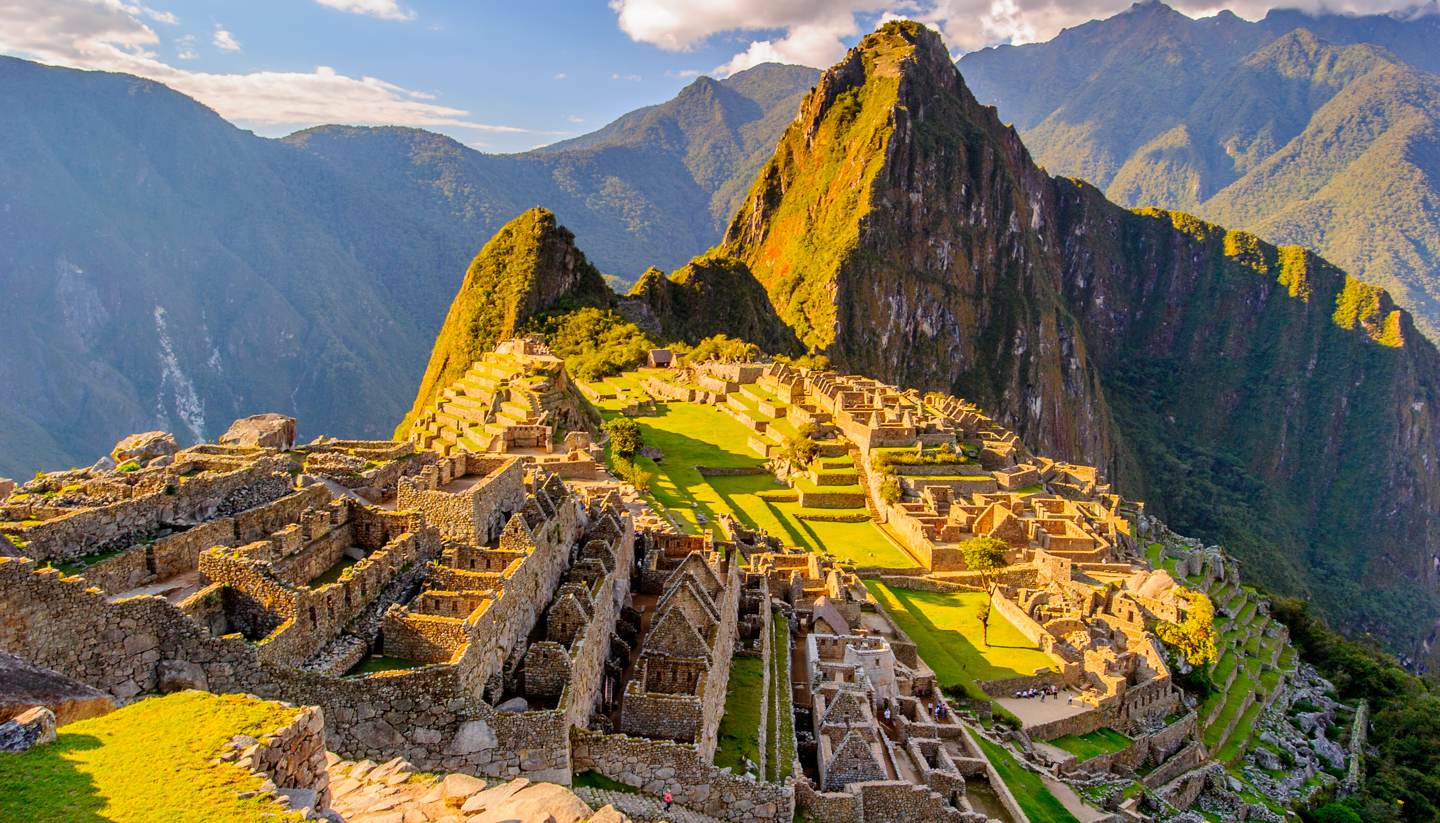
The 15th‑century Inca citadel stands on a dramatic ridge above the Sacred Valley. Its precision stonework and terraced fields demonstrate advanced agricultural techniques that sustain local ecosystems. Recent conservation efforts focus on stabilizing terraces and limiting visitor foot traffic to preserve the fragile stone structures.
Taj Mahal, India
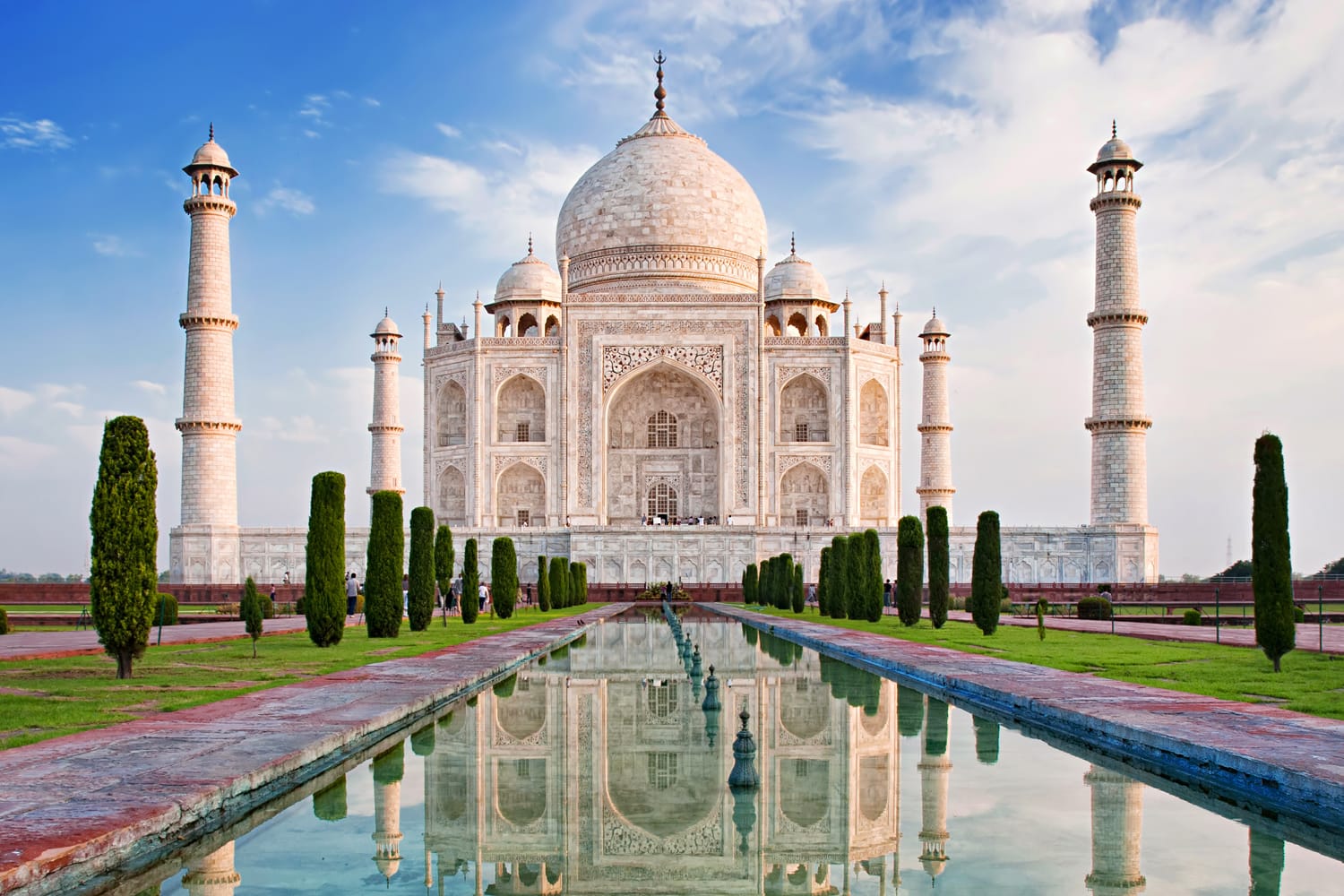
Completed in 1653, the Taj Mahal is a testament to Mughal architectural elegance and a symbol of eternal love. UNESCO status has prompted stringent pollution controls around the site, addressing the white‑wash discoloration that threatens the marble’s integrity. Visitor management plans now balance tourism flow with preservation needs.
Implications for Global Heritage Conservation
Both sites illustrate broader themes in heritage management: balancing accessibility with preservation, and aligning national interests with global stewardship. When a landmark is inscribed, the hosting country gains a platform to showcase cultural diplomacy, but also faces the responsibility of maintaining the site’s authenticity against commercial pressures.
Actionable Takeaways for Researchers
- Use UNESCO’s official documentation to track changes in site status and conservation funding.
- Analyze visitor data to assess the impact of tourism on site sustainability.
- Collaborate with local stakeholders to develop community‑based conservation initiatives.
Looking Ahead: Emerging Threats and Opportunities
Climate change introduces new vulnerabilities, from increased rainfall erosion at Machu Picchu to temperature‑induced marble degradation at the Taj Mahal. Yet, technology—such as 3D scanning and drones—offers innovative tools for monitoring and restoration. By integrating these methods, heritage managers can preempt damage and refine preservation strategies.
As global interest in cultural heritage grows, the UNESCO designation remains a vital instrument for protecting and celebrating humanity’s diverse legacy. Whether through academic study or immersive travel, these sites continue to inspire curiosity and foster a deeper appreciation for the shared narratives that bind us all.
Women's Travel Guide To UNESCO World Heritage Sites - JourneyWoman
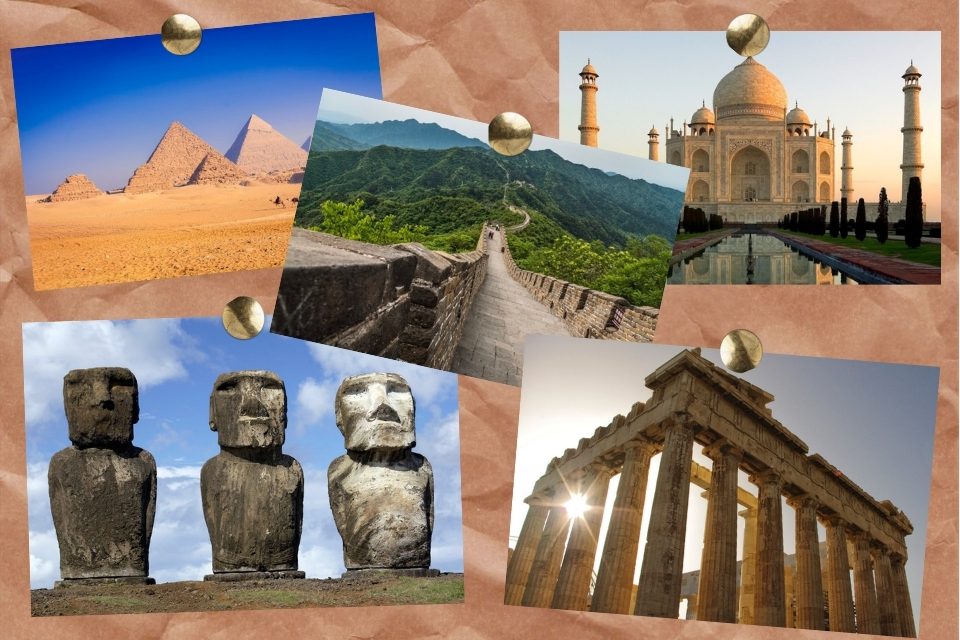
Women's Travel Guide to UNESCO World Heritage Sites - JourneyWoman
38 UNESCO World Heritage Sites In India - HTO INDIA
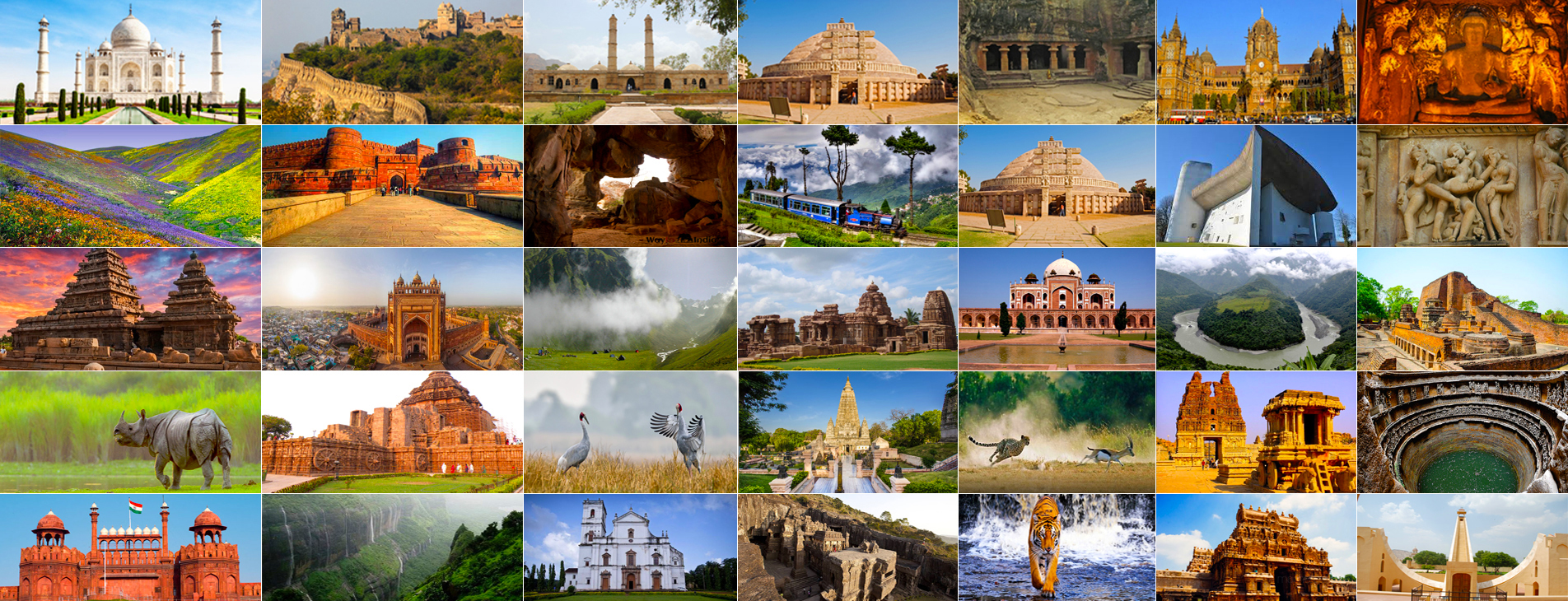
38 UNESCO World Heritage Sites in India - HTO INDIA
UNESCO World Heritage Sites

UNESCO World Heritage Sites