For players who have moved beyond basic hit‑or‑stand tables, mastering the split rule can shave a few percent off the house edge—provided the decision is timed correctly. This brief examines the mechanics, optimal moments, and realistic expectations for using splits in contemporary blackjack, giving seasoned hobbyists a tactical edge without the hype.
Why Splits Matter in Modern Blackjack?
Splitting a pair turns one losing hand into two independent chances to win, but it also doubles the wager. The trade‑off hinges on dealer up‑card strength and the specific pair you hold. When executed with discipline, splits can raise your expected value by 0.2 % to 0.5 % in most full‑pay games, a meaningful boost for high‑volume players.

When Should You Split? Key Decision Points
Which Pairs Offer the Highest Return?
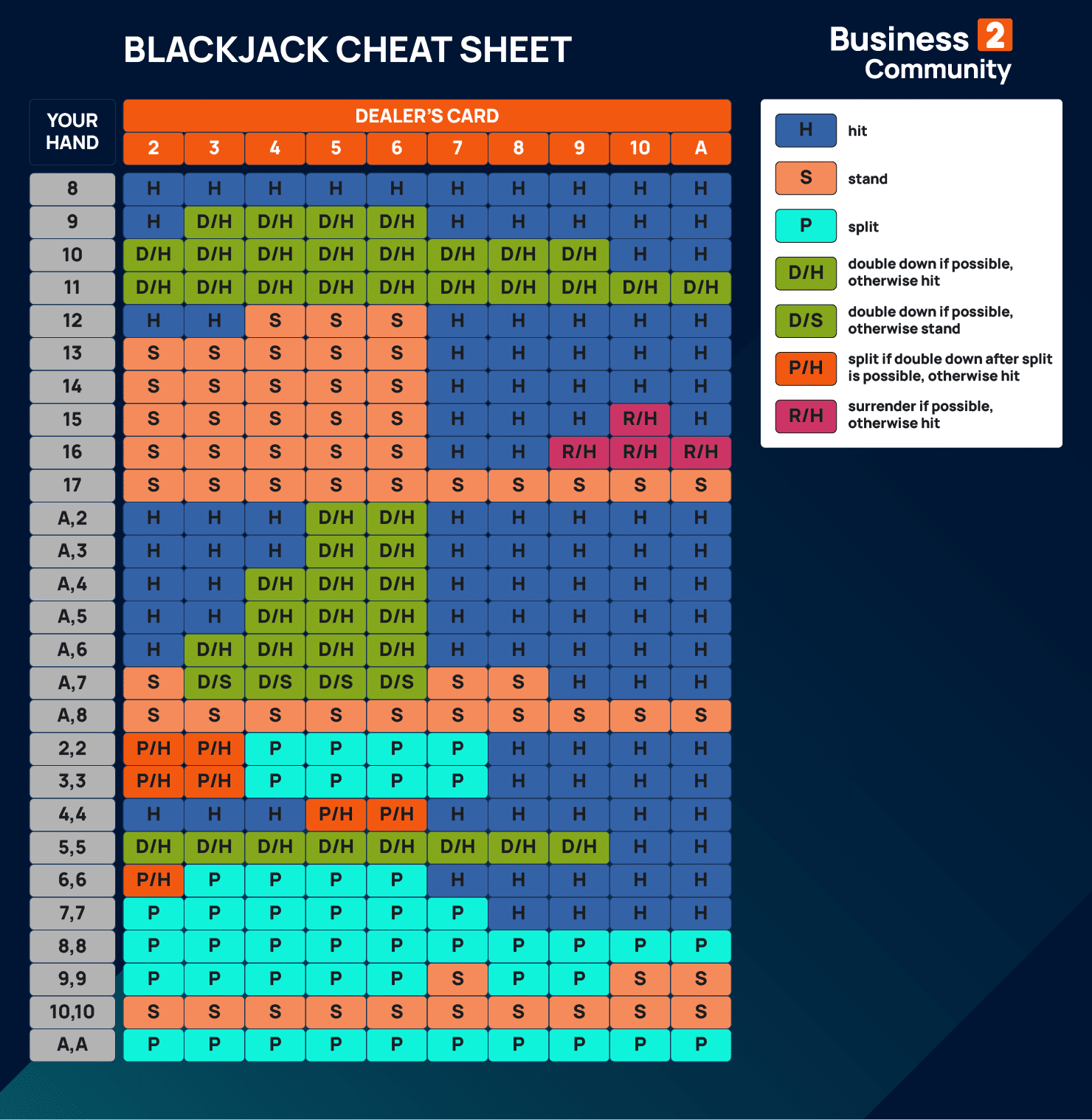
Aces are the most lucrative split. Each ace receives only one additional card, maximizing the chance of hitting a ten‑value for a natural 21. Eights are the next best, turning a total of 16—a notorious bust risk—into two hands starting at 8.
How Does the Dealer’s Upcard Influence the Choice?
If the dealer shows a weak card (2‑6), the probability of busting rises, making splits on any pair (except 10s) more attractive. Conversely, a strong up‑card (7‑Ace) urges caution; only Aces and eights typically survive the scrutiny of a skilled player.
How Splitting Changes Expected Value
Consider a pair of eights versus a dealer 5. Without splitting, the hand’s expected value (EV) hovers around –0.5 %. Splitting creates two separate hands, each with an EV of roughly +0.2 % when played optimally. The net gain of about +0.9 % per original bet illustrates why the move is statistically favorable in this scenario.
Common Pitfalls and Trade‑offs
- Over‑splitting: Turning a marginal hand into multiple bets can expose you to rapid variance, especially on tables with limited deck penetration.
- Ignoring bankroll limits: Doubling the stake on a single round may exceed your session’s risk parameters if not pre‑planned.
- Misreading dealer cues: Assuming a weak up‑card guarantees a bust can backfire against a dealer with a soft 17.
Practical Next Steps for the Serious Player
- Track the frequency of each pair’s appearance in your session; adjust split frequency based on statistical outcomes.
- Set a predefined split limit (e.g., no more than two splits per shoe) to control variance.
- Practice split decisions in free‑play online environments before applying them in live cash games.
- When possible, select tables that allow re‑splitting Aces; the extra flexibility can improve long‑term EV.

In the hands of an experienced hobbyist, splitting is less a flash move and more a calibrated adjustment to the underlying odds. By aligning pair selection with dealer up‑cards, respecting bankroll constraints, and regularly reviewing outcomes, players can extract measurable value from one of blackjack’s most nuanced rules.
Blackjack Best Cards To Split At Indiana Schneider Blog

Blackjack Best Cards To Split at Indiana Schneider blog
Crafting A Solid Blackjack Betting Strategy? Updated Strategies!

Crafting A Solid Blackjack Betting Strategy? Updated Strategies!
Blackjack Explained Easy At Melissa Gentry Blog
Blackjack Explained Easy at Melissa Gentry blog