A sudden rupture of a flexible conduit on a UniVers BTP construction site in the outskirts of Paris has underscored the risks of neglecting routine maintenance on hydraulic pipes. The breach, discovered just hours into the day's work, caused a sharp drop in pressure, leading to a temporary halt of the entire project and a scramble to contain the leak.
Context: The Silent Vulnerability of Flexible Pipes
Flexible pipes—often made of reinforced polyethylene—are favored in modern construction for their ease of handling and resistance to corrosion. Yet, their very flexibility can become a weakness. Over time, repeated bending, exposure to abrasive materials, or chemical degradation can create microfractures that are invisible to the naked eye. In high‑pressure environments, these fractures can expand rapidly, turning a minor oversight into a major safety hazard.
Details: What Happened on Site
According to UniVers BTP's brief internal report, the pipe was installed in the building’s HVAC system. During the day’s inspection, a technician noticed a faint discoloration on the pipe's exterior, indicating a potential compromise. However, the team proceeded with the scheduled work, assuming the issue was cosmetic. When the pressure gauge spiked, the pipe burst, releasing a cloud of water and coolant that flooded the floor.
- Immediate Response: The site supervisor isolated the affected section, shutting down the main valve.
- Damage Assessment: Engineers estimated a 5‑meter segment was damaged, requiring replacement.
- Safety Review: All workers were evacuated, and a temporary barrier was erected while the incident was reported to local authorities.
While no injuries were reported, the incident caused a three‑day delay and cost the project an estimated €12,000 in downtime.

Implications: Lessons for the Industry
UniVers BTP’s experience is not isolated. Recent studies show that flexible pipe failures account for up to 18% of onsite accidents in large construction projects. The key takeaways are:
- Routine Inspection Protocols: Incorporate ultrasonic testing or magnetic flux leakage checks at 30‑day intervals.
- Worker Training: Ensure crew members can spot early signs of wear—color changes, dents, or unusual vibration.
- Spare Inventory: Maintain a stock of quick‑replaceable sections to minimize downtime.
- Regulatory Compliance: Adhere to ISO 4427 standards for flexible piping systems.
Project managers who adopt these practices are likely to see a 25% reduction in pipe‑related incidents and a smoother schedule.
Forward Look: From Incident to Innovation
In the wake of the breach, UniVers BTP has announced a partnership with a pipe‑engineering firm to develop a predictive maintenance dashboard. By integrating IoT sensors, the system will flag stress points before they become dangerous, giving crews a proactive advantage.
While this incident was a costly lesson, it also highlighted the construction sector’s growing capacity for data‑driven safety. As projects grow larger and timelines tighter, such forward‑looking measures will likely become industry standards—much like how the Conc
AOM : Comment Accompagner Les Entreprises Dans Leurs Projets De

AOM : Comment accompagner les entreprises dans leurs projets de ...
BT PRESTA Sur LinkedIn : #btpresta #innovation #nivellement #lancement

BT PRESTA sur LinkedIn : #btpresta #innovation #nivellement #lancement ...
Ça Bouge En 2023 Chez WM Presta
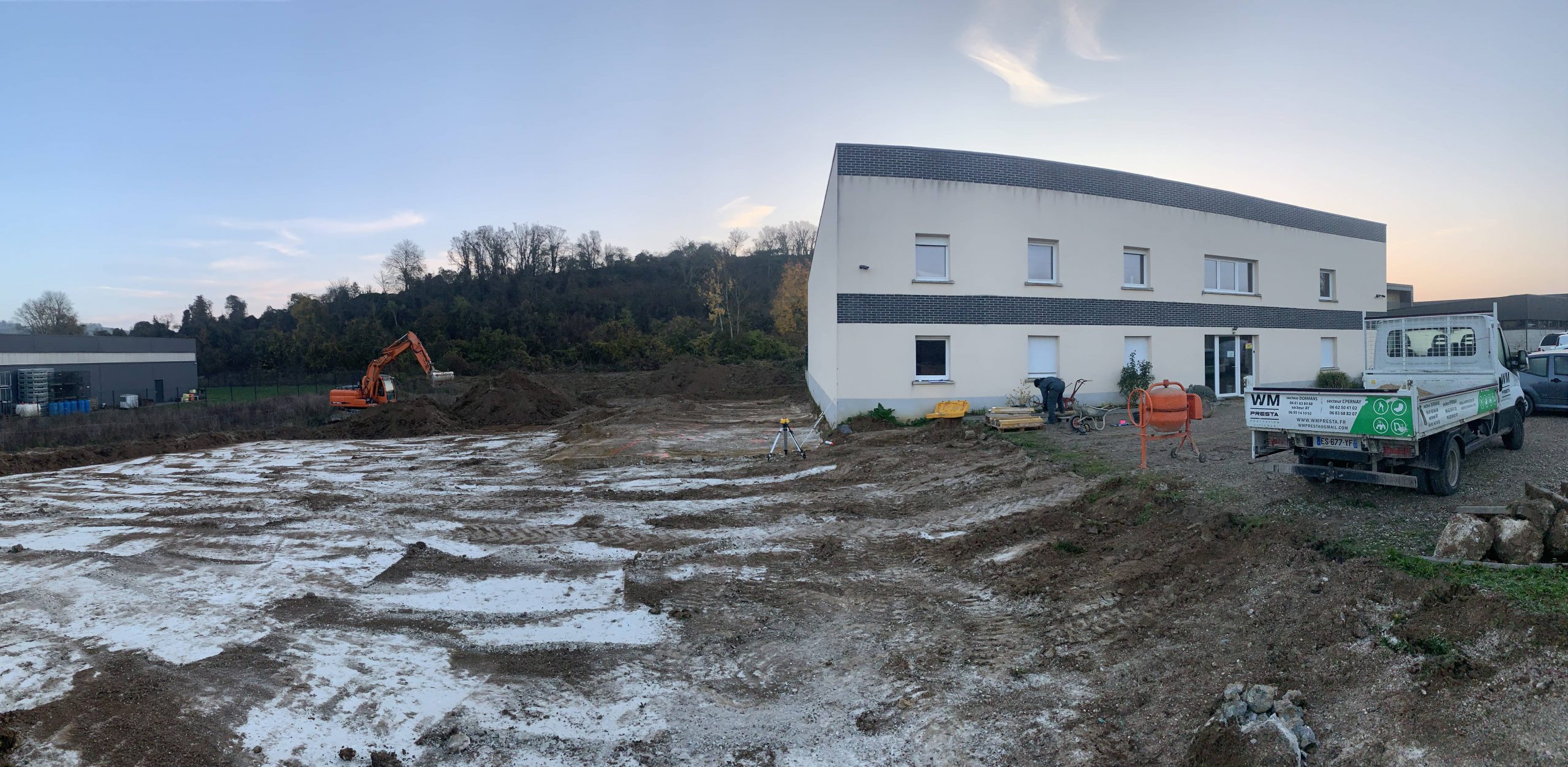
Ça bouge en 2023 chez WM Presta
#nivellement #travauxpublics #bâtiement #btpresta #travaux #chantier #

#nivellement #travauxpublics #bâtiement #btpresta #travaux #chantier # ...